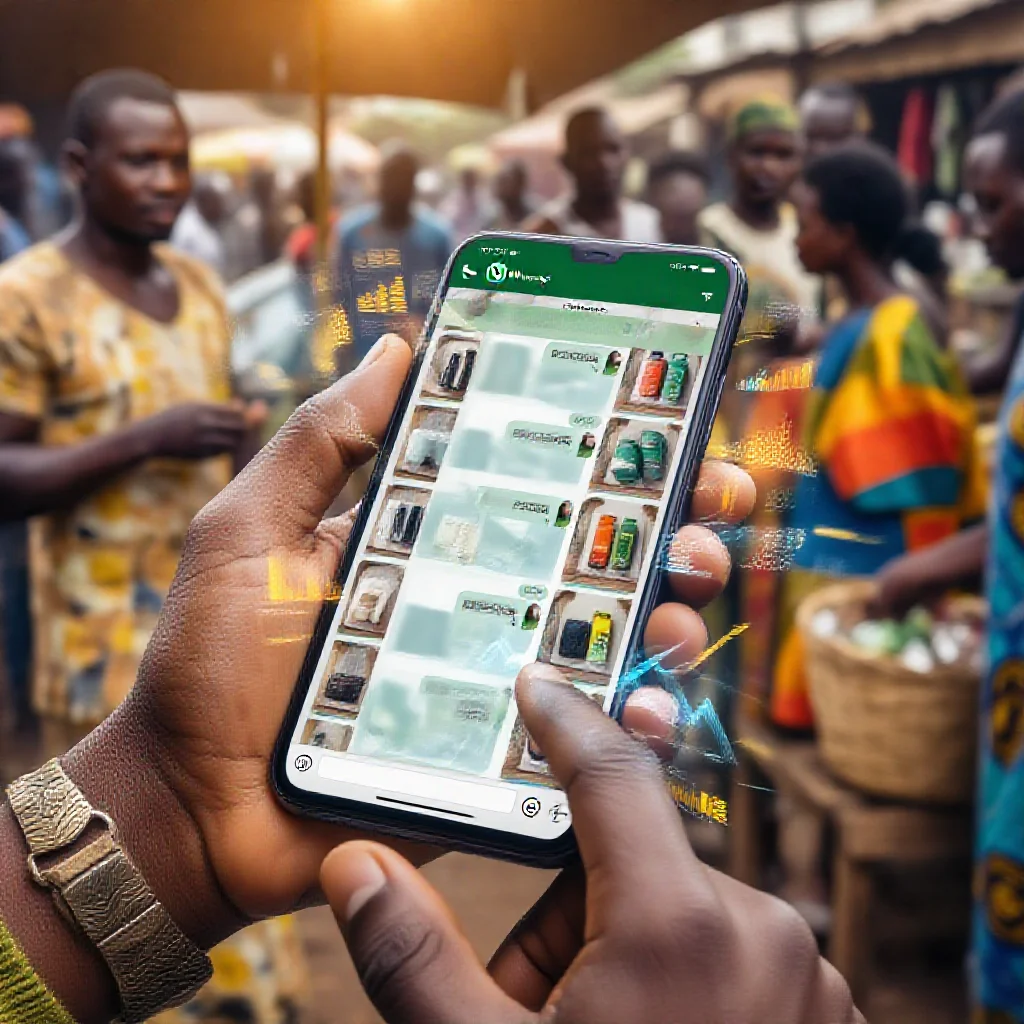
Ghana's KwikMo, a pre-seed funded startup, is building a marketplace for
Beyond the Chat: How KwikMo's WhatsApp Marketplace Reveals Africa's Informal Economy Digitalization
Introduction: More Than a WhatsApp Storefront
KwikMo is a Ghanaian startup that operates a marketplace for local vendors via WhatsApp. The platform allows vendors to list products and customers to browse and order through the messaging application. The company has secured pre-seed funding. (Source 1: [Primary Data])
The surface narrative positions KwikMo as an innovative, accessible tool for local vendors, a digital storefront on a familiar platform. However, a deeper analysis reveals a more significant thesis. The operational model validates a strategic approach to digitalization in emerging markets and functions as a catalyst for formalizing transaction data within the informal economy.
The 'WhatsApp First' Strategy: Pragmatism Over Disruption
The decision to build a marketplace on WhatsApp is not a novelty for its own sake but a calculated response to local market constraints. This strategy is defined by pragmatism over disruptive ambition. WhatsApp's penetration in Ghana, estimated at high double-digit percentages among internet users, far exceeds that of dedicated banking or e-commerce applications. (Source 2: [Market Research Data])
The "WhatsApp First" model strategically bypasses significant barriers inherent in Western-centric "build an app" paradigms. It eliminates the friction of app store downloads, which require stable connectivity, storage space, and user intent. It operates efficiently on low-bandwidth connections, reducing data cost burdens. KwikMo's architecture meets both vendors and customers within an already mastered digital environment, reducing adoption friction to near zero. The platform leverages WhatsApp not merely as a communication channel but as a de facto commerce operating system.
The Hidden Engine: Data Formalization of the Informal Sector
The primary challenge of the informal economy is the absence of verifiable, structured transaction data. This opacity impedes access to formal financial services, obscures supply chain dynamics, and limits economic planning.
KwikMo's operational model inherently addresses this gap. Each vendor interaction—product listing, order inquiry, purchase confirmation—generates a digital footprint within a managed system. This transforms ephemeral, cash-based transactions into a structured digital ledger comprising sales history, inventory trends, and customer engagement metrics.
The long-term value proposition of KwikMo extends beyond facilitating sales. The platform functions as a data gateway. The accumulated data layer can be analyzed to build credible financial profiles for micro-vendors, enabling future credit or insurance products. It provides real-time insights into local consumption patterns and inventory flow, offering unprecedented visibility into informal supply chains. The product is the WhatsApp marketplace; the transformative asset is the structured economic data it generates.
Pre-Seed Funding as Validation of a Broader Thesis
The securing of pre-seed funding validates a thesis beyond a chat-based interface. The investment represents a calculated bet on two interconnected fronts: the scalability of the "WhatsApp-as-OS" model across similar emerging markets and the monetization potential of the informal economy data pipeline.
This funding enables the development of infrastructure to structure and analyze the captured data. Probable future pathways include the integration of embedded financial services, such as microloans or invoice financing, directly into the vendor workflow. The data can also inform B2B services, such as optimized wholesale procurement for vendors or demand forecasting for local suppliers. Investor interest aligns with a broader trend in frontier market tech: backing platforms that digitize and formalize high-volume, offline economic activity. (Source 3: [Venture Capital Analysis])
Conclusion: A Blueprint for Contextual Digital Integration
KwikMo's model provides a blueprint for digital integration that prioritizes contextual reality over imported tech paradigms. Its significance lies in its dual function: serving immediate commerce needs while constructing the data infrastructure necessary for broader economic formalization.
The trajectory of such a platform will be determined by its ability to scale the data-capture model while maintaining the low-friction user experience. Success would demonstrate that in certain markets, the most profound digital transformation may not arrive via a standalone app, but through the intelligent augmentation of ubiquitous, everyday tools. The ultimate impact would be a more legible, accessible, and integrated informal economy, reshaping how local markets are understood, financed, and connected to the digital mainstream.