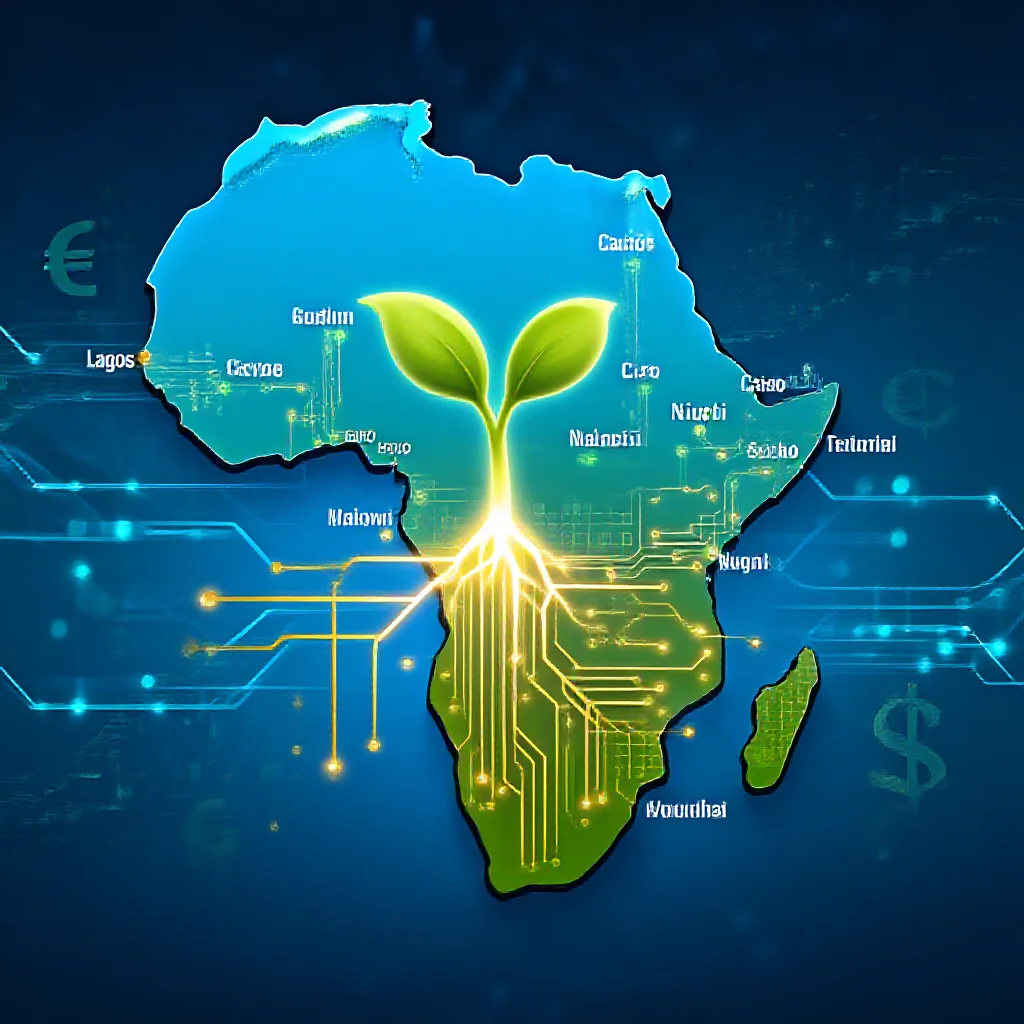
A new global study projects that healthier and more sustainable diets could reduce agricultural production value by 26% by 2050. For Africa, this signals both risks and opportunities for agribusiness, investment, and policy.
Executive Summary
A landmark study published in Nature by an international team of researchers, including scientists from the International Food Policy Research Institute (IFPRI), projects that a global transition to healthier and more sustainable diets could reduce total agricultural production value by approximately 26% (US$1.6 trillion) by 2050 compared to a business-as-usual scenario. The analysis combines the EAT-Lancet dietary recommendations with sustainable agricultural intensification and a 50% reduction in food loss and waste. For Africa, where agriculture contributes 15–20% of GDP and employs over half the workforce, the findings present a dual imperative: to adapt to shifting global demand and to seize opportunities for value-added production, regional trade, and investment in sustainable intensification.
Introduction
The global food system is at a crossroads. Rising populations, environmental degradation, and dietary-related health crises are driving calls for fundamental change. The 2026 study, Food systems transformation would reshape global agriculture, models the impact of three simultaneous shifts: adoption of healthier diets, sustainable intensification, and reduced waste. Key results include a 49–83% decline in livestock production value and a 6–42% reduction in agricultural land use. While the study is global in scope, its implications for Africa are profound—given the continent’s reliance on agriculture, its vulnerability to climate change, and its growing role in global food markets.
Main Analysis
The Global Picture
Under the combined scenario, the value of livestock production falls sharply due to reduced demand for animal-source foods and feed. Crop production shifts toward fruits, vegetables, legumes, and nuts. Total agricultural output declines by 2–32%. The study emphasizes that such a transformation requires unprecedented restructuring, with major co-benefits for climate mitigation and biodiversity.
Africa’s Position
Africa is simultaneously a producer and consumer. Current diets in many African countries are already relatively low in animal protein, but urbanization is driving increased consumption of meat and processed foods. A global shift toward plant-based diets could reduce export demand for African livestock—particularly from regions like the Sahel and Southern Africa—unless producers adapt via quality differentiation, traceability, and sustainable practices. Conversely, demand for high-value horticultural products, pulses, and nuts is likely to grow, presenting opportunities for African exporters to supply both local and international markets.
Policy and Investment Implications
The transition to healthier diets and sustainable production will require significant investment in agricultural research, infrastructure, and market linkages. African governments and development partners must prioritize:
- Sustainable intensification: Boosting yields on existing farmland through improved seeds, precision agriculture, and agroecological practices.
- Cold chain and logistics: Reducing food loss (currently 30–40% in many African value chains) through better storage, transport, and processing.
- Diversification: Supporting farmers to shift from low-value staples to high-value crops that align with dietary guidelines.
- Land use planning: Avoiding deforestation while accommodating agricultural production.
Business Impact
- Agribusiness competitiveness: Companies that invest in climate-smart technologies, sustainable supply chains, and nutritious food products will gain a competitive edge as global and domestic demand evolves.
- Foreign Direct Investment: Capital flows will increasingly target agri-tech, renewable energy for agriculture, and processing facilities that meet sustainability standards.
- Regional trade: Under the AfCFTA, intra-African trade in horticulture, pulses, and processed foods could expand as countries specialize and reduce dependence on extra-continental imports.
- Employment: A shift toward labor-intensive horticulture could create jobs, but requires targeted training and support for smallholders.
- Financial inclusion: Digital platforms and microinsurance can help farmers manage transition risks and access credit for sustainable practices.
Regional Perspective
- East Africa: Kenya and Ethiopia are well-positioned to expand exports of legumes, vegetables, and specialty crops; dairy producers must adopt efficiency measures.
- West Africa: Nigeria and Ghana can leverage growing urban demand for processed and nutritious foods; livestock systems in the Sahel require adaptation.
- Southern Africa: South Africa’s established agri-processing sector can lead in sustainable intensification, but livestock farmers face risk from reduced global demand.
- North Africa: Morocco and Egypt may benefit from increased fruit and vegetable exports to Europe, but water scarcity demands innovation.
- Central Africa: The region’s vast arable land and forest resources require careful management to balance food production and conservation.
Future Outlook
Over the next 3–5 years, early movers in Africa’s agrifood sector will begin adapting to the signals from this study. Key trends to watch:
- Increased investment in agri-tech: Startups focused on precision farming, supply chain digitization, and alternative proteins will attract venture capital.
- Policy convergence: African governments will likely adopt dietary guidelines that align with health and sustainability goals, influencing agricultural subsidies and procurement.
- AfCFTA acceleration: Harmonized standards for food safety and sustainability will facilitate regional trade in transformed products.
- Carbon markets: Sustainable agricultural practices that sequester carbon or reduce emissions may generate new revenue streams for farmers.
- Livestock restructuring: Formalization and efficiency gains in the livestock sector will be necessary to maintain competitiveness in a shrinking global market.
Key Takeaways
- A global shift to healthier diets could reduce agricultural land use and production value significantly, with livestock most affected.
- Africa must diversify into high-value crops and invest in sustainable intensification to capture new market opportunities.
- The AfCFTA provides a framework for regional specialization and trade in nutritious foods.
- Agribusinesses and investors should prioritize climate-smart technologies, cold chains, and value-added processing.
- Policymakers need to support smallholders through training, credit, and infrastructure to manage the transition.
Conclusion
The Nature study underscores that a healthier, more sustainable food system is achievable but requires a fundamental restructuring of global agriculture. For Africa, the transformation is both a challenge and an opportunity. By aligning agricultural policies, investment, and regional integration with the dietary and environmental goals of the coming decades, the continent can turn the shift into a driver of economic transformation, food security, and long-term competitiveness.
---
This article is based on the study "Food systems transformation would reshape global agriculture" by Gibson et al., published in Nature (2026). For more information, visit Nature.