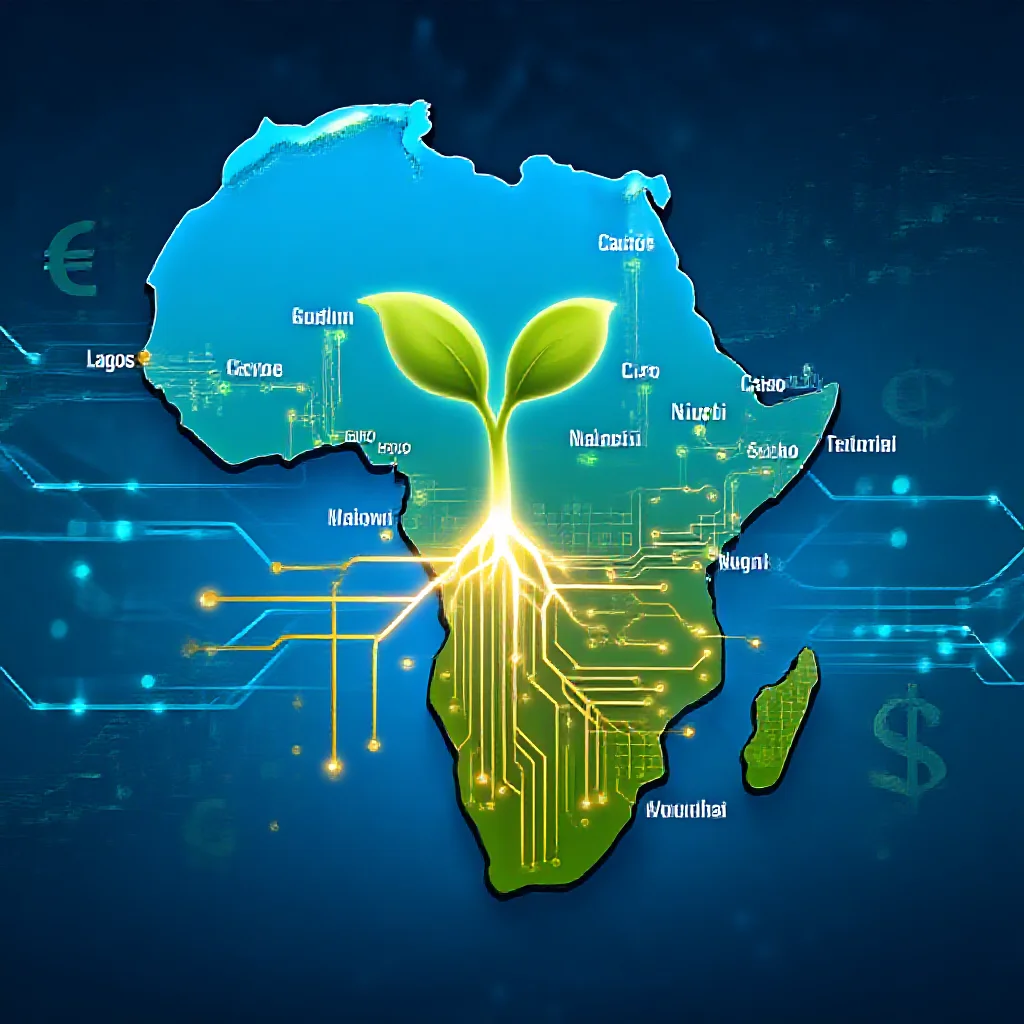
Analyzing the structural transformation of Africa's agriculture sector through digital agriculture, technology adoption, and investment opportunities for long-term economic resilience.
Africa's agriculture sector is undergoing a structural transformation, driven by the imperative to ensure global food security while simultaneously addressing local challenges related to climate variability, resource constraints, and population growth. This evolution is being propelled by a convergence of technological innovation, targeted policy reforms, and shifting market dynamics, positioning digital agriculture as a key catalyst for sustained economic development.
The core of this transformation lies in the adoption of advanced inputs and mechanization. Traditional farming methods are increasingly being augmented by high-yield seeds, specialized fertilizers, and advanced feed solutions designed to enhance crop and animal performance. Simultaneously, agri-machinery adoption is critical for mitigating labor shortages and scaling operational capacity. However, the most significant shift involves the integration of digital agriculture—encompassing precision farming, data-driven decision-making, and smart farm management solutions. This digital overlay is fundamentally reshaping how agricultural operations are planned, executed, and managed.
This technological shift is not confined to farming practices alone; it spans the entire agricultural value chain. Emerging areas such as alternative farming methods, including organic techniques, hydroponics, aquaponics, and vertical farming, are gaining traction as stakeholders pursue production models that prioritize environmental sustainability alongside output quality. The integration of digital tools allows for the monitoring of inputs, weather patterns, and soil conditions in real-time, leading to optimized resource allocation and reduced waste.
Market intelligence indicates that the demand for advanced agricultural inputs and technologies is robust, suggesting significant investment potential across various segments, from specialized fertilizers and feed additives to sophisticated digital agriculture platforms. These market dynamics underscore a growing need for reliable market intelligence to navigate the complexities of input costs, climate conditions, and evolving regulatory frameworks.
From an investment perspective, the sector presents opportunities in agri-machinery, digital agriculture software, and sustainable farming technologies. These investments support the goal of enhancing productivity while simultaneously reducing the environmental footprint, aligning with global sustainability mandates and local development needs. The focus on data-driven decision-making is crucial for building operational resilience against external shocks.
Policy relevance centers on the need for supportive frameworks that foster this transition. Effective policies must incentivize the adoption of digital agriculture, facilitate access to necessary financing for technology acquisition, and streamline regulatory processes for innovative farming techniques. Government and development finance institutions play a pivotal role in bridging the gap between technological potential and widespread adoption by supporting research commercialization and talent development in this specialized field.
Regional and cross-border implications are substantial. As African nations strive for food sovereignty, the adoption of scalable agricultural technologies can create new avenues for regional trade. Streamlining supply chains through digital monitoring and improved logistics, supported by infrastructure development, can reduce post-harvest losses and enhance the competitiveness of African agricultural exports. This interconnectedness is vital for maximizing the benefits of regional cooperation, particularly under frameworks like the African Continental Free Trade Area (AfCFTA), where standardized digital systems can facilitate cross-border commerce.
Future outlook suggests continued exponential growth in the digital agriculture market. Over the next 3 to 5 years, the integration of Artificial Intelligence (AI) is expected to become more pronounced, enabling hyper-personalized farming strategies based on granular, real-time data. Investment will increasingly flow into areas such as digital infrastructure, data centers supporting agricultural applications, and specialized FinTech solutions for agricultural finance, thereby unlocking greater financial inclusion for smallholder farmers. The transition toward climate-smart agriculture will be intrinsically linked to the successful deployment of these technologies, making sustainable farming a prerequisite for future economic stability in Africa.
In conclusion, the digital agriculture revolution is more than a technological trend; it is a fundamental restructuring of how Africa produces and secures its food supply. Strategic investment in this space, coupled with proactive policy intervention, is essential for building long-term economic resilience, fostering industrial competitiveness, and ensuring robust regional food security.