A curated list of 10 podcast episodes reveals a significant shift in agricultural
Beyond the Headset: How AI and Biologicals Are Reshaping Agriculture's Core Business Model
Introduction: Decoding the Podcast Signal – From Tech Talk to Strategic Blueprint
A curated list of ten podcast episodes, all focusing on artificial intelligence, biological products, and on-farm innovation, represents a concentrated signal within agricultural discourse. This convergence is not coincidental but indicative of a maturation in agtech dialogue. The discussion has evolved from examining isolated gadgets to articulating a comprehensive operational philosophy. This shift signifies a strategic pivot in the fundamental business model of agriculture, moving from input-centric production to a systems-based, data-driven enterprise.
!A collage of minimalist podcast player screens showing episode titles related to AI and biology.
The Dual Engine of Change: AI as the Brain, Biologicals as the Body
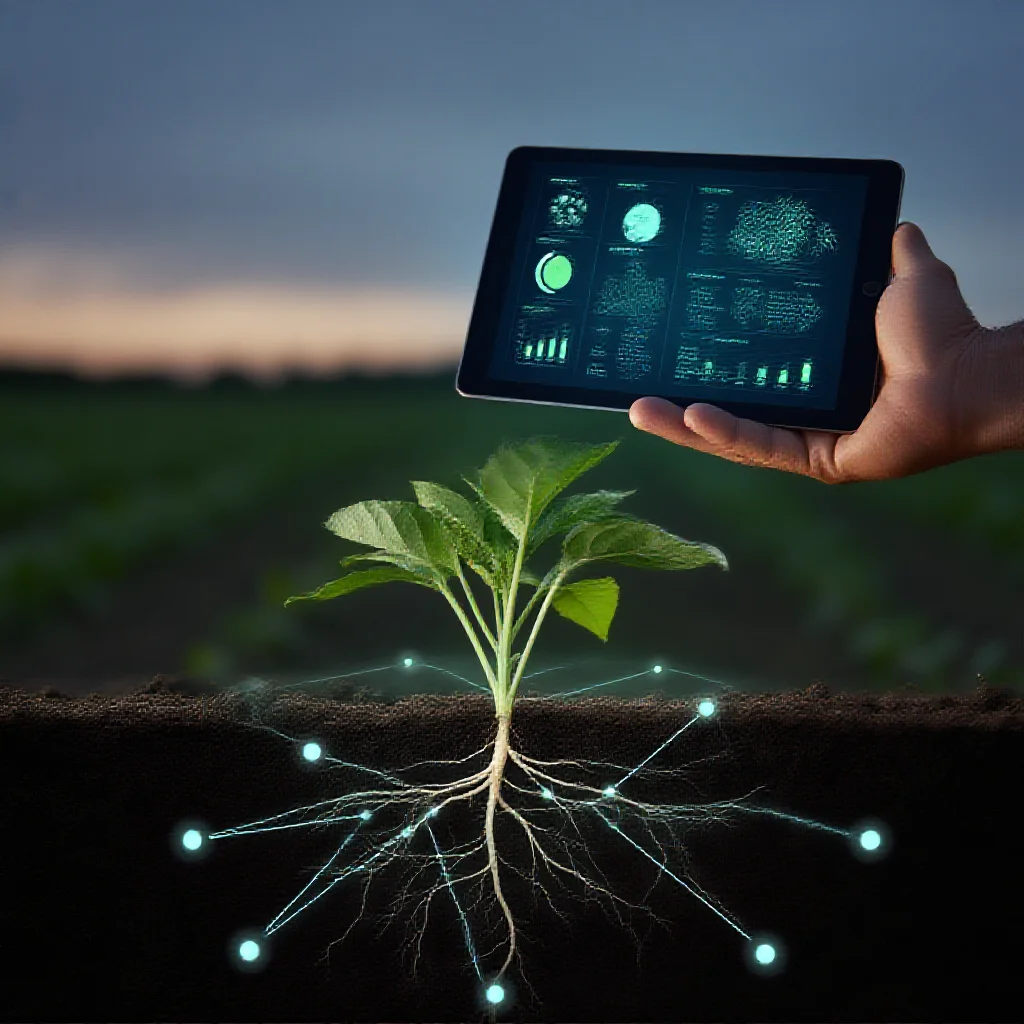
The current transformation is powered by a synergistic duo. Artificial Intelligence functions as the analytical and predictive brain, processing data from sensors, satellites, and machinery to generate insights. Biological products—including biopesticides, biofertilizers, and biostimulants—constitute the targeted, sustainable body of intervention tools. Their integration creates a closed-loop system of measurement and management.
The underlying economic logic is compelling. Traditional agriculture manages risk and yield through prophylactic, blanket applications of chemical inputs, a model susceptible to price volatility and regulatory change. The AI-biological model seeks to replace this with precise, prescription-based applications. AI identifies when and where intervention is needed, and biologicals provide the what, enabling targeted actions that reduce input volumes, lower cost volatility, and mitigate environmental impact. This transition aligns with broader economic analyses of precision agriculture's potential to improve margin resilience (Source 1: [McKinsey & Company Agtech Analysis]).
The Hidden Entry Point: Reshaping the Agricultural Supply Chain from the Ground Up
The convergence of AI and biologicals is restructuring the agricultural value chain from its foundation. Input manufacturers and distributors face a fundamental shift: value creation is migrating from selling volume of chemicals to providing data-integrated biological solutions and the analytics platforms that optimize them. The role of the agronomist is transforming from a product recommender to an interpreter of complex data streams and system health.
This points toward the "servitization" of farming. Instead of discrete purchases, future models may involve subscription-based platforms where farmers pay for outcomes—such as guaranteed soil health metrics or pest pressure management—delivered via a combination of AI-driven monitoring and biological product applications. This evolution creates new power dynamics. Farm-level data autonomy becomes a critical asset, yet dependency on proprietary, integrated tech-biological platforms presents a countervailing force of potential vendor lock-in.
Analysis Framework: Why This is a 'Slow Analysis' Industry Deep Audit
The podcast topics warrant a "slow analysis" deep audit because they signal structural, not cyclical, change. The discussions reflect a multi-year evolution in both technology readiness and market acceptance, making long-term trend analysis more relevant than breaking news coverage. The timeliness of this analysis is verified by external market indicators, notably the sustained rise in venture capital and corporate investment directed toward agricultural biologicals and AI analytics platforms (Source 2: [AgFunder Agri-FoodTech Investment Report]).
The primary audience for this analysis includes investors evaluating long-term sector shifts, agribusiness strategists planning portfolio transitions, and policymakers assessing infrastructure and research needs for a changing agricultural economy. The core narrative extracted is that competitive advantage in future agriculture will derive from mastering the integration of biological and digital tools, not from excelling in either domain alone.
Conclusion: The New Core Competency and Neutral Market Forecast
The synthesis of Artificial Intelligence and biological products is emerging as the new core competency for modern agribusiness. It represents a holistic framework where biologicals provide the mechanistic tools for intervention and AI provides the contextual intelligence for deployment.
Neutral market predictions based on this trajectory include:
- Accelerated Consolidation: Expect further mergers and partnerships between biological product firms and agricultural data/analytics companies.
- Business Model Proliferation: Subscription and outcome-based service models will gain traction alongside traditional product sales, particularly in high-value specialty crops and large-scale row crop operations.
- Regulatory Evolution: Regulatory frameworks will face pressure to adapt to faster innovation cycles for biological products and to establish standards for agricultural data ownership, privacy, and interoperability.
- Divergence in Adoption: Adoption rates will create a widening gap between early-adoptering, tech-integrated farms and those unable to access or implement these complex systems, potentially impacting regional competitiveness.
This transition from an input-centric to a knowledge-centric model is redefining the very architecture of agricultural production. The discourse has moved beyond the headset; it is now blueprinting the future of the farm itself.