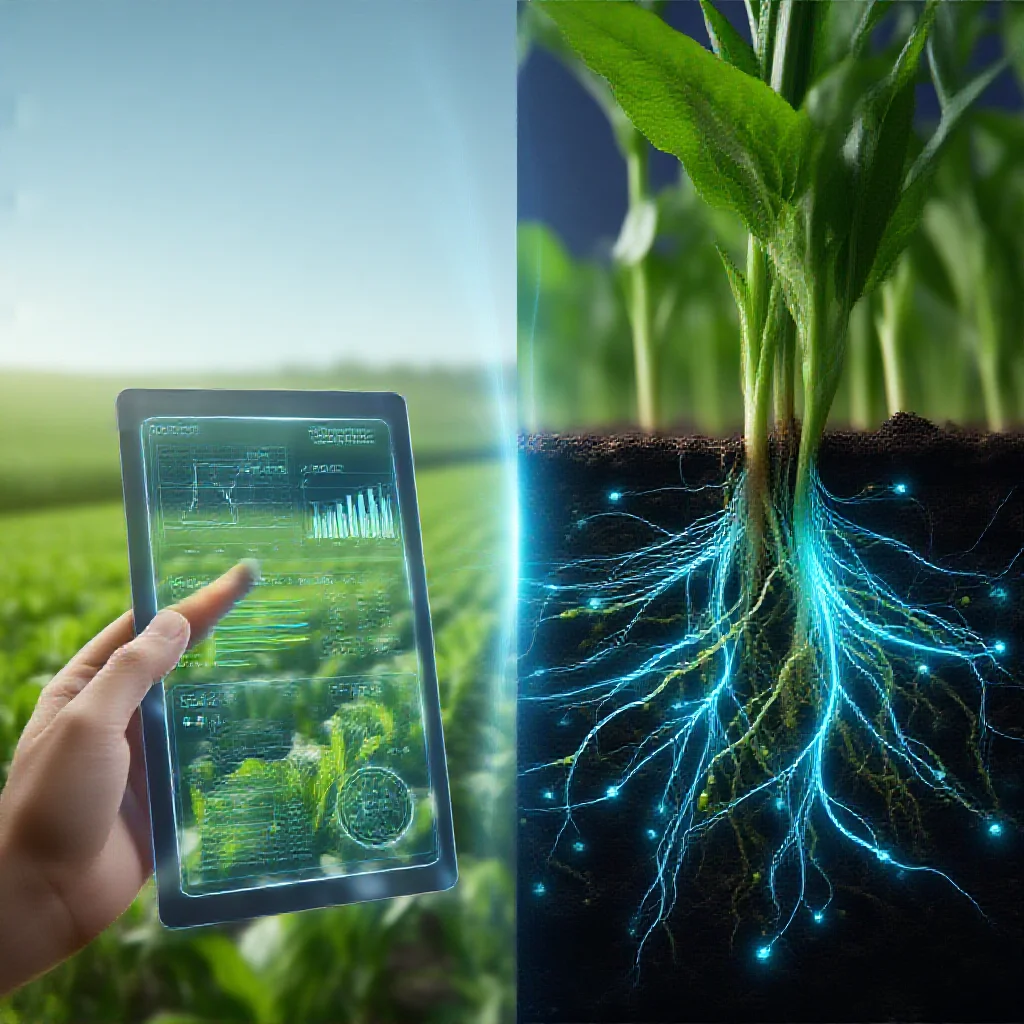
The agricultural industry''s 2026 outlook reveals a fundamental shift from
Beyond Pesticides: How Biostimulants, Biocontrol, and Breeders' Rights Are Redefining Global Agriculture for 2026
Introduction: The Triple-Pronged Strategy for 2026's Agricultural Resilience
The strategic outlook for the agricultural industry in 2026 is no longer defined by a singular focus on crop protection. Analysis of industry association priorities reveals a transition toward a multi-pronged operational framework. This framework is built on three pillars: the enhancement of plant physiology and soil health through biostimulants, the substitution of chemical inputs with biological control agents, and the foundational innovation of plant genetics. The central axis of this transformation is the simultaneous drive for regulatory harmonization and market acceleration. The 2026 outlook is characterized by industry associations actively lobbying not for the preservation of existing models, but for the creation of new legal and commercial frameworks that will enable a different agricultural input economy.The Regulatory Battlefield: Frameworks as the New Competitive Arena
Regulatory development has become a primary competitive arena. The push for new frameworks is a strategic effort to create predictable, scalable markets that justify long-term research and development investment.The European Biostimulants Industry Council (EBIC) is working on a harmonized EU regulatory framework for biostimulants. (Source 1: [Primary Data]) This initiative is not merely about establishing rules; it is an exercise in market creation. A unified regulatory definition across member states reduces market fragmentation, providing the certainty required for significant capital allocation toward product development and manufacturing scale-up.
Parallel advocacy is evident in biocontrol. The International Biocontrol Manufacturers Association (IBMA) is advocating for faster regulatory approval of biocontrol solutions in the EU. (Source 2: [Primary Data]) This represents a direct strategic counterpoint to the lengthy approval processes associated with conventional chemical pesticides. Accelerated pathways for biocontrol agents could alter the innovation timeline, making biological substitutions more commercially viable.
Beyond novel inputs, regulatory shifts are also reshaping foundational innovation. The Canadian Plant Breeders' Association (CPDA) is monitoring the implementation of Canada's new Plant Breeders' Rights regulations. (Source 3: [Primary Data]) Enhanced intellectual property protection for plant varieties has the potential to reorient breeding programs. By strengthening the economic return on trait development, these regulations could incentivize a shift in supply chains toward varieties optimized for resilience, nutrient efficiency, and compatibility with biological inputs, rather than solely for maximum yield under high chemical input regimes.
Market Realignment: The $65 Billion Elephant and the 12% Challenger
The market landscape is undergoing a fundamental realignment, characterized not by immediate displacement but by strategic diversification.The European Crop Care Association (ECCA) states the global crop protection market is valued at approximately $65 billion. (Source 4: [Primary Data]) Concurrently, the European Biostimulants Industry Council (EBIC) reports the biostimulants market is growing at 10-12% annually. (Source 5: [Primary Data]) This duality illustrates portfolio expansion. For farmers and input companies, biologicals represent new tools for integrated management, not a wholesale replacement of traditional chemistry in the near term.
The economic logic of biological inputs differs from conventional models. Biostimulants and biocontrol solutions often align with recurring revenue models based on performance outcomes and sustainability metrics. This shift could alter traditional distributor-farmer relationships, moving from transactional chemical sales toward ongoing advisory services centered on soil health and biological ecosystem management.
This realignment triggers supply chain ripple effects. Demand for consistent, high-quality biological inputs—which are often living organisms or complex organic compounds—places new demands on production and logistics. This may drive vertical integration in microbial fermentation or seed treatment facilities, as well as spur the development of new cold-chain logistics and quality certification protocols to ensure product efficacy from manufacturer to field.